Unlock the Secrets to Perfect Scrambled Eggs: A Masterclass in Heat Control & Patience
Forget everything you think you know about breakfast's simplest staple. For too long, many of us have settled for dry, rubbery, or bland scrambled eggs, rushing through a process that demands a little more finesse. But what if we told you that mastering the art of the perfect scramble is not only achievable but incredibly rewarding? This comprehensive guide will transform your breakfast routine, revealing the fundamental principles of how to make scrambled eggs recipe that are consistently fluffy, tender, and bursting with flavor. The key lies in two often-overlooked elements: meticulous heat control and a generous dose of patience.
Whether you crave the airy, large curds of a classic American scramble or the delicate, creamy texture of a French-style preparation, the journey begins with understanding your ingredients and respecting the cooking process. Get ready to elevate your morning meal from mundane to magnificent.
The Foundation: Ingredients & Expert Preparation
Before the pan even touches the stove, the groundwork for truly exceptional scrambled eggs is laid. The quality of your ingredients and how you prepare them make a significant difference in the final texture and taste.
- Choose Your Eggs Wisely: For two servings, typically 4 to 6 large eggs will suffice. Always crack your eggs on a flat surface rather than the edge of a bowl. This technique minimizes the chances of shell fragments contaminating your mixture, as it breaks the membrane more cleanly.
- The Dairy Dilemma: Enhancing Texture and Richness: Adding a touch of liquid isn't just an option; it's a game-changer for tenderness. While heavy cream delivers the absolute fluffiest eggs due to its high fat content coating egg proteins and restricting liquid loss, some find it leaves a slight film on the tongue. Our preference leans towards whole milk—about 1 tablespoon per egg. It provides a beautiful richness and fluffiness without being overly decadent, striking a perfect balance. Alternatives like water or even a splash of lemon juice can also lend a tender, almost custardy quality.
- The Whisking Workout: Air is Your Friend: This step is critical, especially if you're aiming for those sought-after fluffy curds. Don't just lightly stir; aggressively whisk your eggs in a small, deep bowl (a cereal bowl and fork simply won't cut it for optimal aeration). Whisk until the mixture is uniform in color and visibly foamy. This vigorous action serves two purposes:
- Aeration: Incorporating air into the eggs creates pockets that expand during cooking, resulting in a lighter, more voluminous scramble.
- Uniform Color: It ensures a consistent, beautiful golden hue throughout your finished dish.
- Season Simply, or Elaborate: A pinch of salt and freshly ground black pepper are essential for seasoning. Beyond that, the choice is yours! Consider a sprinkle of finely chopped fresh parsley or chives for brightness and visual appeal.
The Golden Rule: Mastering Heat Control & The Art of Patience
This is where many home cooks falter, leading to those all-too-common dry, rubbery results. The true secret to how to make scrambled eggs recipe perfectly lies not in speed, but in controlled, gentle heat and knowing when to intervene – and when to step back.
- The Right Pan & Fat: A high-quality nonstick skillet is your best friend here. It prevents sticking and ensures even cooking. Melt 1 teaspoon of unsalted butter or a combination of butter and olive oil over medium heat. The fat not only prevents sticking but adds a wonderful richness and flavor. You'll know it's ready when the butter begins to bubble or a drop of water sizzles instantly upon contact with the pan.
- The Crucial Temperature Drop: This is the moment of truth. As soon as your fat is ready, pour in your whisked egg mixture. Then, immediately reduce the heat to medium-low. High heat causes the egg proteins to coagulate too quickly and tightly, squeezing out moisture and leaving you with a tough, unappetizing scramble. Low and slow is the mantra for tenderness.
- The Gentle Stir & Fold: Resist the urge to aggressively stir! As the eggs begin to set (you'll see a slightly solid base forming after a minute or two), gently push and fold them from the bottom of the pan towards the center with a rubber spatula. Think of it as guiding the cooking process, allowing larger, soft curds to form. Continually scrape the bottom and sides to prevent overcooking in one area.
- Strategic Add-Ins: If you're incorporating ingredients like shredded cheese, crumbled bacon, sautéed mushrooms, or chopped scallions, now is the time. Fold them gently into the developing curds as they begin to firm up but are still quite soft. This ensures they meld seamlessly with the eggs without getting lost or overcooked.
Knowing When to Stop: The Perfect Doneness
This is perhaps the most critical aspect of achieving ideal scrambled eggs. It's an intuitive skill that comes with practice, but there's a clear guideline to follow:
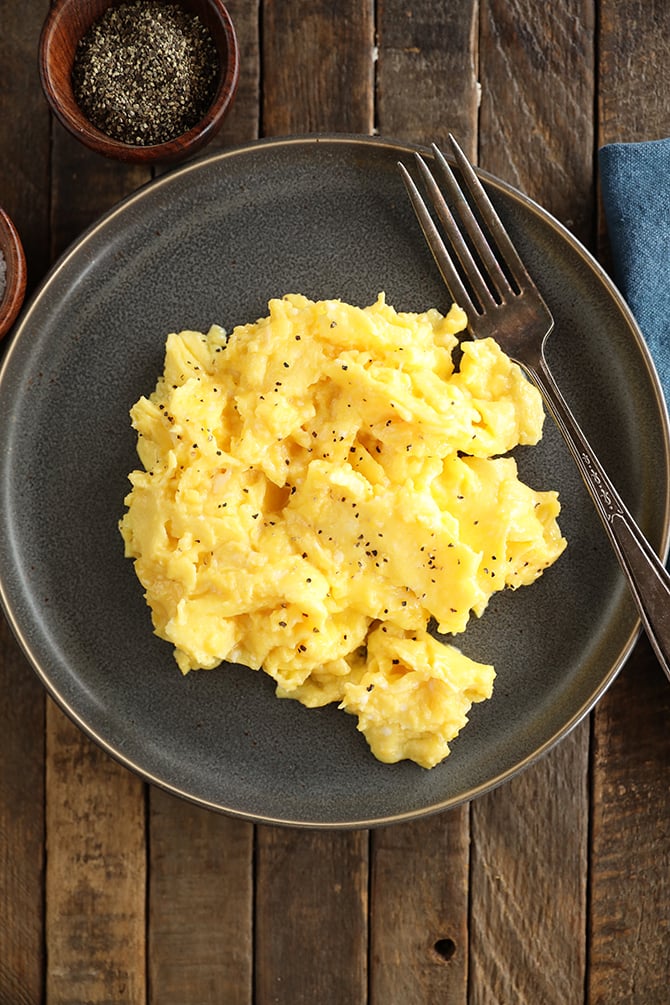
Continue gently turning and folding the eggs until almost all of the liquid has cooked through, but crucially, there are still a few visibly wet, glistening areas. This might feel counter-intuitive, like they're not quite done. But this is the secret to truly moist, never-dry scrambled eggs. Immediately remove the pan from the heat.
The residual heat from the pan and the cooked eggs will continue to cook those final wet spots through a process called carryover cooking. Continue to gently stir for another 30 seconds to a minute off the heat until they reach your desired consistency. This brief period off the stove ensures they are perfectly cooked through without becoming overdone or rubbery. For more tips on avoiding common pitfalls, see our guide on How to Make Scrambled Eggs: Avoid Dry & Rubbery Results.
Tailoring Your Texture: Fluffy vs. Creamy
While the core principles of heat control and patience remain, a few nuanced techniques allow you to steer your scramble towards your preferred texture.
- For Fluffy, Large Curds: Embrace vigorous whisking beforehand to maximize aeration. Use whole milk or heavy cream. When cooking, allow the eggs to set a bit more at the bottom before folding, creating larger, distinct curds. Less frequent, gentler folding will maintain these larger structures.
- For Creamy, Small Curds (French Style): While still whisking to combine, you don't need the aggressive aeration of a fluffy scramble. Use milk, cream, or even a touch more water for added tenderness. Cook over even lower heat, and stir more frequently and continuously from the moment the eggs hit the pan. Use the back of your spatula to break up larger curds as they form, aiming for a consistent, smooth, and incredibly moist texture.
Serving Your Masterpiece
Once your perfectly cooked scrambled eggs are ready, slide them directly onto a warm plate. A final sprinkle of fresh herbs, a dash of hot sauce, or a side of crispy toast and avocado elevates the experience. Enjoy the fruits of your patience and newfound heat control!
Conclusion: The Art of the Perfect Scramble
Mastering how to make scrambled eggs recipe is less about complicated techniques and more about understanding the delicate nature of eggs themselves. By embracing vigorous whisking for aeration, choosing your dairy wisely, and most importantly, exercising precise heat control and patience throughout the cooking process, you can consistently achieve scrambled eggs that are moist, tender, and incredibly flavorful. Say goodbye to dry, uninspired breakfasts and hello to a culinary triumph that will start your day perfectly, every time. Practice these steps, and you'll soon be known as the household's scrambled egg aficionado.
